
In today’s fast-paced eCommerce world, where competition is fierce and consumer expectations are higher than ever, success hinges on efficiency and streamlining your multichannel operations is the key to achieving it.
As businesses expand their reach across multiple sales channels—whether it’s popular platforms like Shopee and Lazada or their own branded webstores. The right tools and strategies can drastically reduce your daily workload, letting you focus on what matters most – growing your business.
In this article, we will explore what multichannel eCommerce is and the reasons why you should adopt it. Lastly, we will share 6 proven strategies to streamline your multichannel eCommerce management.
Top 3 Reasons to Leverage Multichannel eCommerce
6 Strategies to Streamline Multichannel eCommerce Management
- Centralized Product Management
- Implement Real-Time Inventory and Order Tracking
- Systematic Inventory Management
- Optimize Order Fulfillment Processes
- Implement a Unified Customer Service Platform
- SiteGiant ERP Solution
What is Multichannel Selling?
Multichannel eCommerce is a business model that involves selling products or services through a variety of digital channels as well as physical retail spaces.
Digital channels include online webstores, online marketplaces, social media and live selling platforms such as Facebook Live, Shopee and Lazada, as well as a brand’s own website.
Physical retail spaces range from pop-up stores, traditional retail stores to other locations where customers can interact with the brand in person.
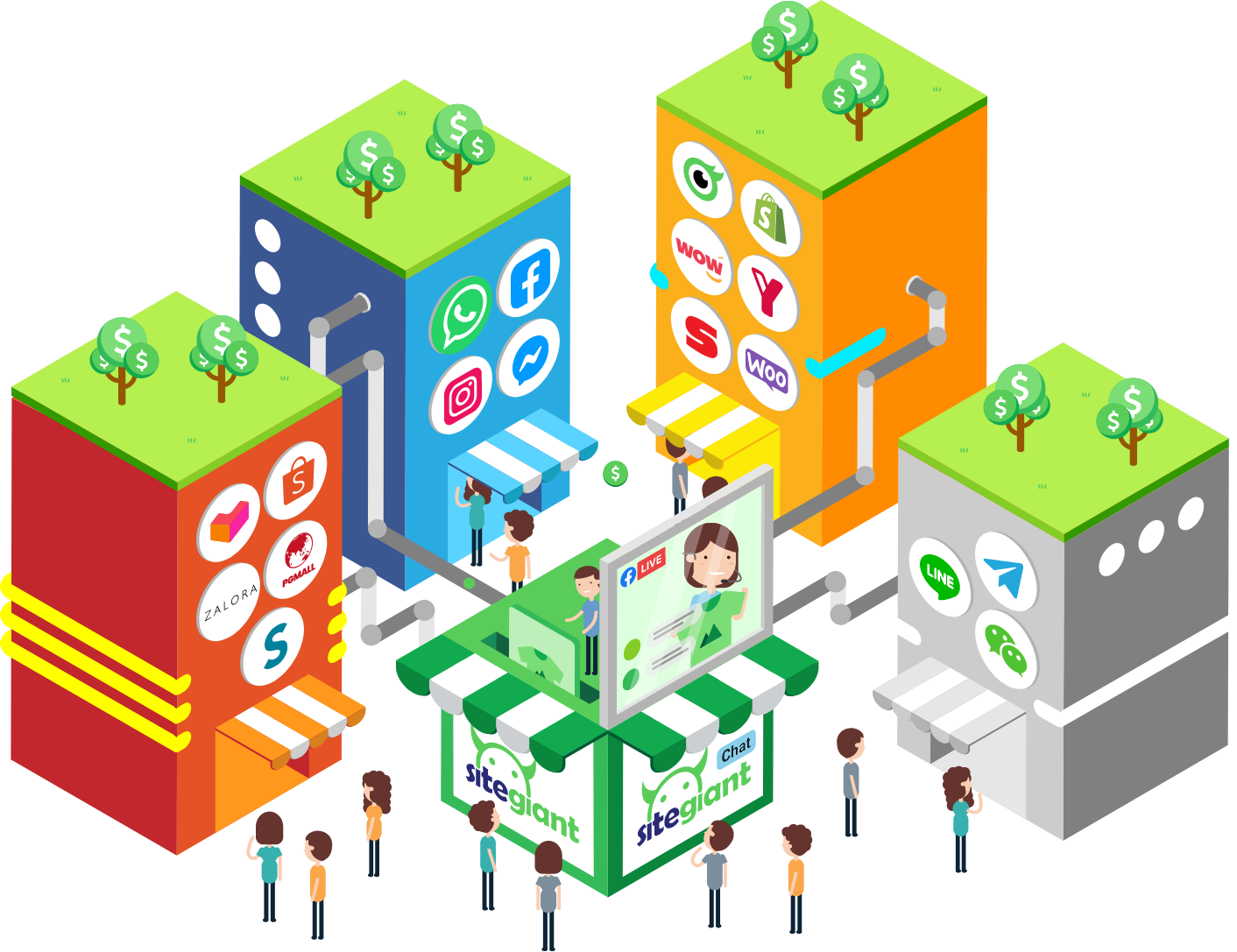
Top 3 Reasons to Leverage Multichannel eCommerce
By selling across various platforms, sellers can reach more customers and improve customer engagement. No matter where your customers prefer to shop, sellers can always provide a great and consistent shopping experience across all channels.
The Key Reason Why You Should Consider Multichannel eCommerce:
1. Improved Brand Visibility
Engaging in multichannel eCommerce enables businesses to access a broader audience by leveraging various platforms. This approach significantly enhances the potential for customer acquisition beyond the limitations of a single sales channel.
2. Stand Out from Your Competitors
Adopting a multichannel strategy can help your brand stand out in a market where many sellers still rely on a single channel. By offering customers a variety of shopping options, you demonstrate adaptability and responsiveness to their needs, which can ultimately expand your customer base.
3. Increased Sales Potential
By diversifying their sales channels, sellers can capitalize on various customer preferences and behaviors, ultimately increasing sales potential and driving revenue growth.
For more information about MultiChannel eCommerce, please visit here.
6 Strategies to Streamline Multichannel eCommerce Management
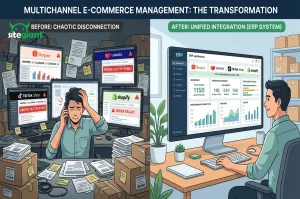
However, managing multiple sales channels can be complex and challenging. To help you navigate this landscape effectively, we’ve compiled 6 proven strategies to streamline your multichannel eCommerce operations.
1. Centralized Product Management
Centralized management of product information offers significant benefits for sellers by allowing them to save time and resources through a single dashboard. This streamlined approach enables quick access and editing of product information anytime and anywhere, reducing the risk of inconsistencies as it automatically migrates listings from supported platforms.

Additionally, it simplifies product onboarding by allowing sellers to bulk copy product listings to other sales channels with just a few clicks. This efficiency reduces the need to log in to multiple selling channels, significantly enhancing operational productivity.
2. Implement Real-Time Inventory and Order Tracking
As a multichannel eCommerce seller, are you struggling with issues like overselling, overstocking and inventory mismanagement, resulting in lost sales from stockouts, especially during high-demand periods such as special events, sales or holiday seasons?

Why do you need to implement real-time inventory and order tracking?
- Preventing Overselling
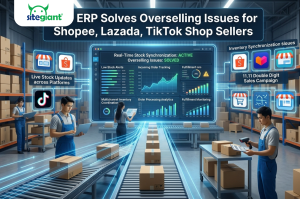
Real-time tracking also gives an accurate view of available inventory across all sales channels. When a product is sold on one platform, the inventory is immediately updated, preventing the risk of overselling. This allows for proactive management of stock levels, ensuring that products are not oversold.
- Avoiding Overstocking
By understanding which products are selling quickly and which are not, sellers can adjust their inventory replenishment strategies accordingly. This helps optimize stock levels and minimize excess inventory.
- Forecasting Demand
By analyzing historical sales data in conjunction with real-time inventory levels, sellers can better forecast demand for specific products during special events. This ensures better inventory planning and reduces the risk of overstocking or stockouts.
3. Systematic Inventory Management
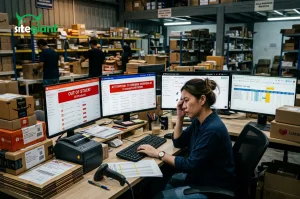
Relying on spreadsheets to track inventory across multiple sales channels can lead to inefficiencies and errors. Manual methods of recording are prone to inaccuracies, such as incorrect stock counts and delayed updates, which can easily result in overselling.
These issues can disrupt your sales operations, causing customer dissatisfaction, canceled orders and lost revenue. Switching to a more systematic approach to inventory management ensures real-time updates and smoother operations across all the sales channels.

Why is Systematic Inventory Management Essential for Your Business?
- Real-Time Visibility of Stock Levels
A systematic inventory management system gives you real-time insights into stock levels across all your sales channels. This enables better decision-making and ensures you can quickly restock popular products or manage low inventory before it affects sales.
- Ensuring Compliance and Mitigating Risk
A systematic inventory management system helps ensure compliance with industry regulations and standards. By maintaining accurate records and tracking inventory movements, you can minimize the risk of errors and overselling issues across multiple sales channels related to inventory management.
- Streamline Operations
A systematic inventory management system enables packers and warehouse staff to quickly access real-time product information, improving inventory accuracy and speed. This reduces manual tasks, minimizes errors and speeds up order fulfillment, allowing your team to work more efficiently and focus on higher-priority tasks.
4. Optimize Order Fulfillment Processes
Optimizing the order fulfillment process (OFP) helps sellers overcome inefficiencies and challenges, ensuring timely delivery of customer orders. This not only boosts customer satisfaction but also drives profitability by streamlining operations and reducing costs.

How do you optimize the order fulfillment process?
- Process All Orders in One Dashboard
Easily view and process orders from all integrated sales channels in one place, eliminating the hassle of managing these orders separately across multiple channels.
- Customize Shipping Labels
To streamline the workload for packers, customize shipping labels with a picking list that includes rack numbers, item images and specific quantities. This makes it easier for the packer to locate the right items for packing.
- Double Checking before Shipping Out the Order
To provide a positive shopping experience for customers, a fast shipping process and package accuracy are essential, as they significantly influence customer loyalty. Implement a double-checking solution to prevent packing errors in order fulfillment.
5. Implement a Unified Customer Service Platform
Have you ever wondered how great customer service can influence customer loyalty and repurchase rates? In today’s competitive market, providing an exceptional customer service experience is more important than ever. By implementing a unified customer service platform, businesses can streamline their operations. This platform allows your staff to manage customer inquiries and issues across all sales channels from a single interface.

Key Benefits of Implementing a Unified Customer Service Platform
- Improved Response Times
By consolidating customer interactions into one platform, support teams are empowered to respond to inquiries with greater speed and efficiency. This streamlined approach significantly reduces wait times for customers, allowing them to receive the assistance they need without unnecessary delays.
- Enhanced Customer Satisfaction
A unified customer service platform ensures that customers receive consistent and accurate information, regardless of the channel they choose to use for reaching out. This level of consistency not only fosters trust but also cultivates a sense of loyalty among customers, as they feel valued and understood throughout their interactions with your business.
- Increase Customer Loyalty
Customer loyalty is about building strong relationships with customers through exceptional service and support. This loyalty leads to repeat purchases, higher spending and ultimately contributes to the long-term success and growth of a business.
6. SiteGiant ERP Solution
If you are looking for powerful tools to grow your eCommerce business and eliminate the guesswork involved in managing multichannel eCommerce, consider the SiteGiant ERP Solution to streamline your daily workload.
With SiteGiant, you can take advantage of features such as centralized product management, real-time inventory tracking, and optimized order fulfillment processes, all designed to enhance your operational efficiency.
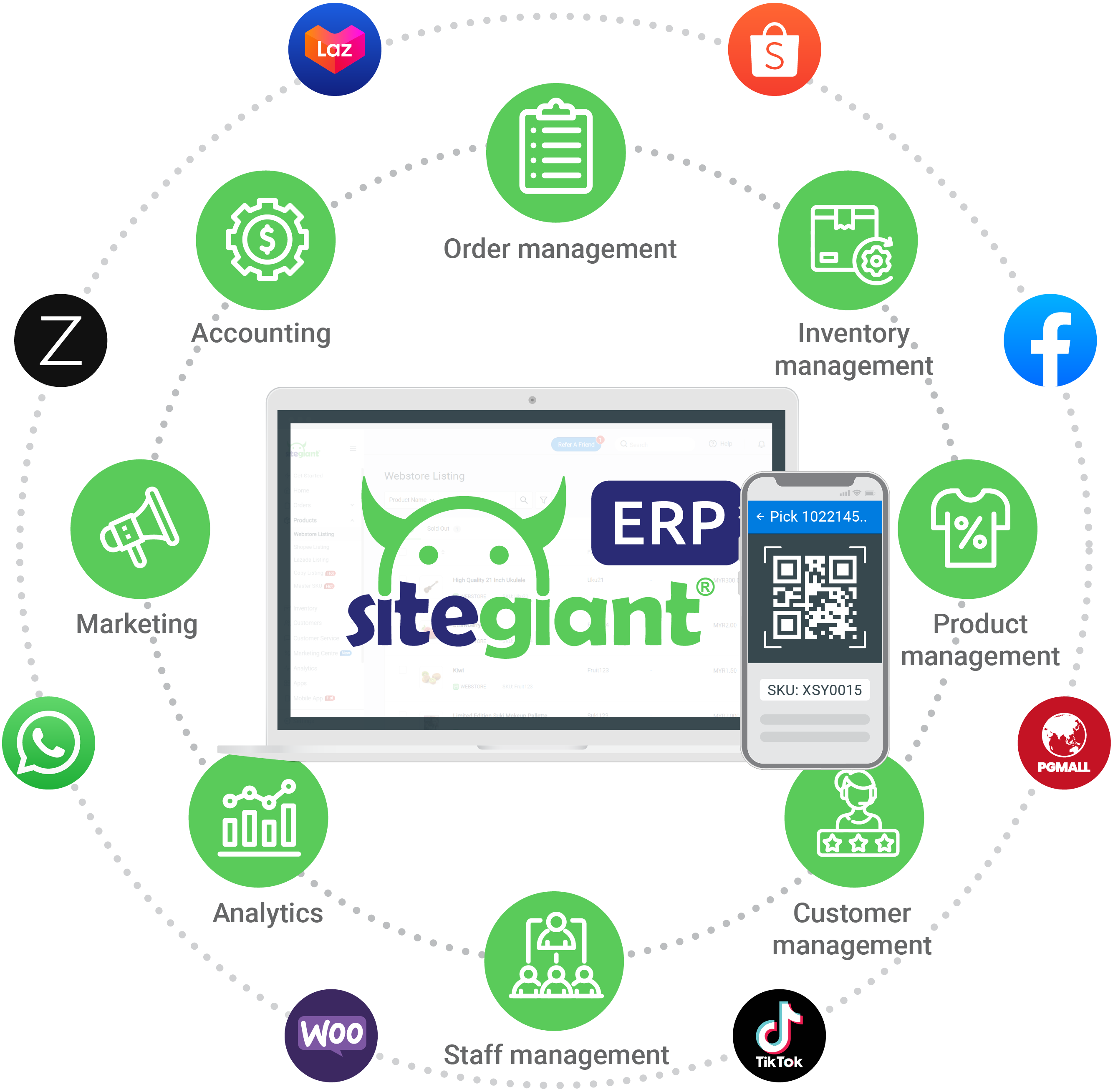
Additionally, you can:
1. Automatically sync new orders received from all sales channels and fulfill them from a single platform.
2. Seamlessly unify inventory in real-time across multiple channel stores to prevent overselling.
3. Utilize powerful built-in marketing tools to enhance your eCommerce conversions.
Whether you are just starting your eCommerce journey or are already an established multichannel seller, SiteGiant offers tailored plans to meet your unique needs.
Choose SiteGiant to start your eCommerce journey today!
Image Credits and References: Freepik