
In the Philippines’ rapidly expanding digital economy, choosing the right payment gateway has become an essential consideration for both businesses and consumers. As more transactions shift towards cashless payment options in the Philippines, businesses need reliable systems that can support a wide range of online payment solutions for Philippine businesses, while ensuring smooth and secure checkout experiences.
However, many businesses continue to face several challenges, such as:
- Limited payment options for local customers
- High transaction and processing fees
- Integration complexity for online merchants
- Ensuring secure and reliable payment channels
This article provides a comprehensive guide to Popular Payment Gateways in Philippines, including Xendit, Dragonpay, Maya Business, GCash, Fiuu, PayMongo, 2C2P, and HitPay. We will explore their features, benefits, fee structure, and supported payment methods, while also presenting the importance of payment gateways for businesses and the criteria for selecting the most suitable platform.
What is Payment Gateway?
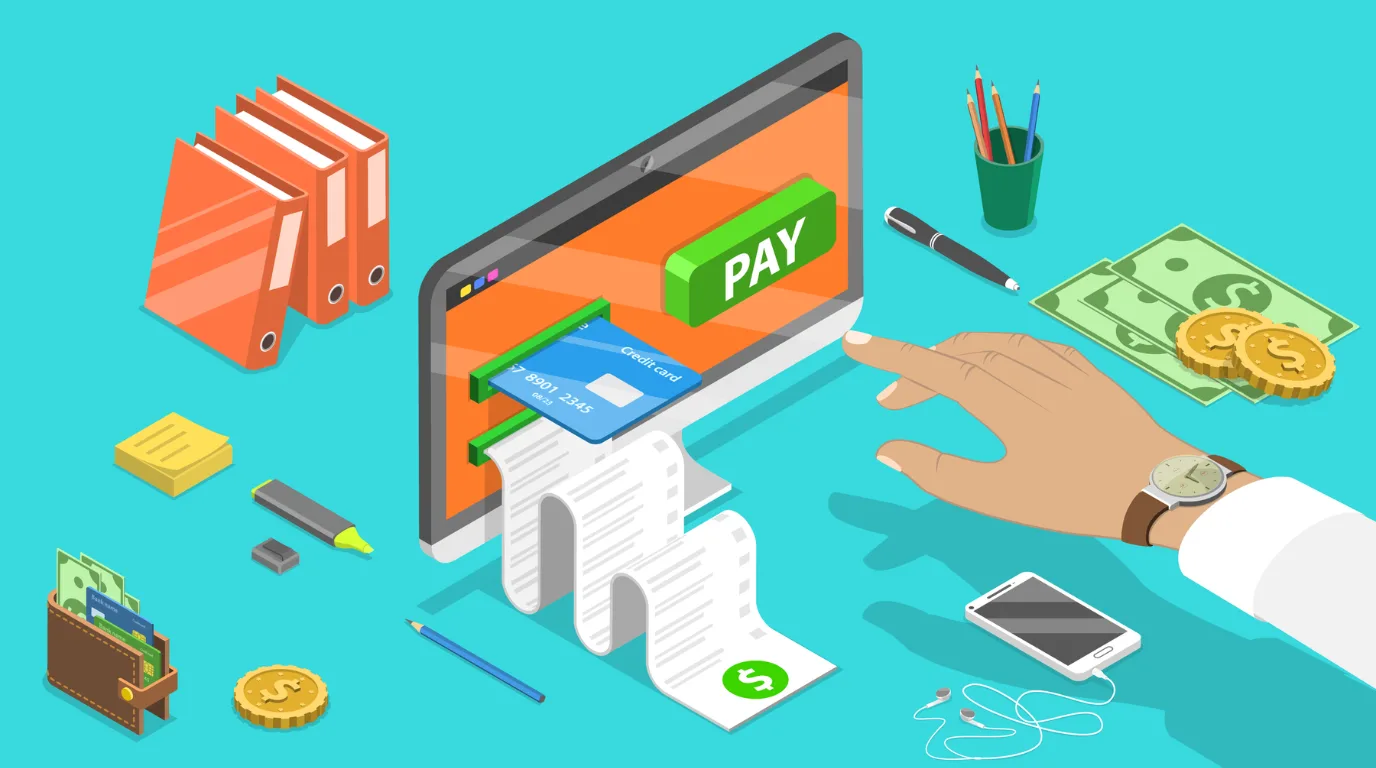
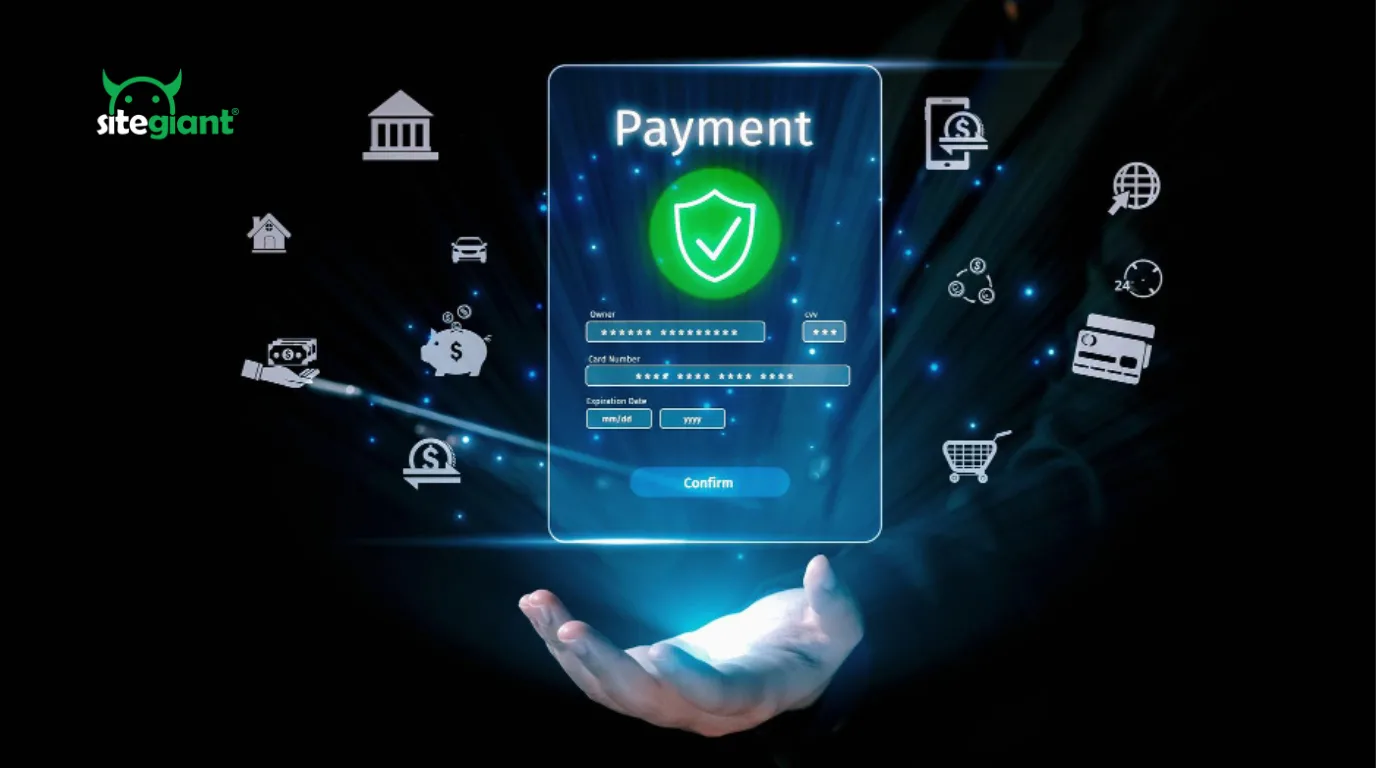
Payment gateway is a technology solution that enables businesses to securely accept and process electronic payments from customers. It acts as a bridge between the customer, the merchant, and the financial institutions, ensuring that transactions are completed smoothly and safely.
Payment gateways support a wide range of online payment solutions, including credit and debit cards, e-wallets, online banking, QR code payments, and other digital wallet integrations in the Philippines. During this process, sensitive payment information is encrypted to ensure secure payment processing, protecting both businesses and customers from potential risks.
Key Functions of a Payment Gateway
- Authorization – Verifies whether the customer has sufficient funds or credit to complete the transaction before approving the payment.
- Encryption – Protecting sensitive data during transmission, ensuring that customer information remains safe.
- Settlement – Facilitates the transfer of funds from the customer’s account to the merchant’s account after a successful transaction.
- Fraud Prevention – Helps detect and block suspicious or unauthorized transactions, supporting safer and more reliable payment processing.
Benefits of Payment Gateway
1. Secure transactions
Payment gateways are designed to protect sensitive customer information during every transaction. They use encryption and security protocols to ensure that payment data is transmitted safely between the customer and the business. This reduces the risk of fraud and unauthorized access. As a result, both businesses and customers can carry out transactions with greater confidence and peace of mind.
2. Multiple payment methods
One of the key advantages of a payment gateway is its ability to support a wide range of payment options. Customers can choose to pay using credit or debit cards, e-wallets, online banking, or QR-based payments, depending on their preference. This flexibility makes the checkout process more convenient for users. At the same time, it helps businesses cater to different customer segments and improve overall conversion rates.
3. Automated processing
Payment gateways help automate the entire payment process, from transaction approval to confirmation. This reduces the need for manual handling and minimizes human error. With automation, businesses can process payments more efficiently, especially when handling a high volume of transactions. It also allows teams to focus on other important aspects of business operations instead of repetitive administrative tasks.
4. Global reach and cross-border payments
Many payment gateways support international transactions, allowing businesses to accept payments from customers around the world. This makes it easier for companies to expand beyond their local market and reach a global audience. Cross-border payment capabilities also enable businesses to operate across different regions without significant barriers. As a result, it opens up more opportunities for growth and revenue expansion.
5. Subscription and recurring payments
Payment gateways support recurring billing, which is especially useful for businesses offering subscription-based services. Payments can be automatically processed at regular intervals without requiring customers to manually complete each transaction. This ensures a smoother experience for customers while helping businesses maintain consistent cash flow. It is commonly used for memberships, digital services, and long-term service plans.
Why Businesses Need a Payment Gateway?

Payment gateway plays an important role in supporting the efficiency, security, and overall reliability of modern eCommerce operations. It helps businesses streamline transactions while providing a better experience for customers.
1. Efficiency
Payment gateway helps streamline the payment process by automating transaction handling. This reduces the need for manual work and allows payments to be processed quickly and consistently. Businesses can handle multiple transactions at the same time without delays or interruptions. This improves operational efficiency and allows businesses to focus on growth and customer service instead of payment management.
2. Customer Convenience
Payment gateway improves the checkout experience by offering multiple payment methods to customers. This can include credit cards, e-wallets, and online banking options. By giving customers more flexibility, businesses make it easier for them to complete their purchases. A convenient and flexible payment process can lead to higher satisfaction and fewer abandoned transactions.
3. Compliance with regulations
Payment gateways are designed to follow industry standards and financial regulations. This helps businesses process payments in a way that meets legal and security requirements. Using a compliant system reduces the risk of regulatory issues and ensures that transactions are handled properly. It also helps build customer confidence, as users feel more secure when making payments through a trusted system.
4. Reduced Payment Errors
Manual payment processes can lead to errors such as incorrect entries or missed transactions. Payment gateway helps reduce these issues by automating the entire payment process. This ensures that each transaction is recorded accurately and processed correctly. With fewer errors, businesses can maintain better financial records and provide a more reliable payment experience for their customers.
5. Business scalability and growth
Payment gateway allows businesses to handle a growing number of transactions without significantly increasing manual effort. As order volume increases, the system can continue to process payments smoothly without affecting performance. This makes it easier for businesses to expand their operations across multiple sales channels. With a reliable payment system in place, businesses can focus on growth without worrying about payment limitations.
Popular Payment Gateway in Philippines
1. Xendit
Xendit is a payment infrastructure platform that provides online payment solutions for businesses in Southeast Asia, including the Philippines. It supports credit cards, e-wallets like GCash and Maya, and automated bank transfers. It is best for high-growth startups and marketplaces due to its robust API and automated payout features.
2. Dragonpay
Dragonpay is a Philippine-based payment service provider that focuses on enabling alternative payment methods for online transactions. It supports traditional bank transfers and an extensive network of over-the-counter physical payment centers like 7-Eleven. It is best for reaching the unbanked population and handling high-value transactions with fixed-fee structures.
3. Maya Business (Formerly PayMaya)
Maya Business is part of a digital financial services platform in the Philippines that provides payment solutions for businesses.It offers an omni-channel solution supporting QR code, all major cards, and its own deep ecosystem of Maya users. It is best for established retailers who need seamless integration between their physical stores and online checkout.
4. Gcash
GCash is one of the most widely used mobile wallet platforms in the Philippines. It provides both personal and business payment services through its digital ecosystem. GCash supports wallet payments, QR code transactions, and online payments through its platform.It is best for any business wanting to tap into the widest possible local consumer pool.
5. Fiuu (formerly Razer Merchant Services)
Fiuu is a payment gateway provider that offers online payment processing solutions across Southeast Asia. It supports a comprehensive range of credit cards, e-wallets, and cross-border payment options. It is best for regional enterprises looking for a stable partner with extensive experience in the gaming and digital goods sectors.
6. PayMongo
PayMongo is a Philippine-based payment gateway that enables businesses to accept online payments easily. It supports cards, e-wallets, and “Buy Now, Pay Later” (BNPL) options like BillEase. It is best for tech-forward SMEs who prioritize quick digital onboarding and transparent, pay-as-you-go pricing.
7. 2C2P
2C2P is a payment platform that provides end-to-end payment solutions across Asia. It handles complex payment flows, including multi-currency processing and regional alternative payment methods. It is best for large corporations and airlines that operate across multiple borders with complex settlement needs.
8. HitPay
HitPay is a payment platform designed to help businesses accept payments through multiple channels. It supports a wide array of local methods, including QR code and Instapay, alongside global card brands. It is best for social media sellers and SMEs who want a “plug-and-play” solution without monthly subscription fees.
Detailed Comparison of Popular Payment Gateways in the Philippines
| Payment Gateway | Supported Payment Methods | Transaction Fee |
| Xendit | Cards, e-wallets, online banking, QR Codes, Over-the-Counter, Buy now pay later (BNPL) | Cards Local cards (3.2% + ₱10), Internationally-issued cards charged in PHP (4.2% + ₱10), All cards charged in USD (4% + USD1) E-wallets Gcash (2.3%), Grabpay (2.0%), ShopeePay (2.0%), Maya (1.8%) Auto Debit BPI, UBP (1% or ₱25, Whichever is higher), Grabpay (2.0%), ShopeePay (2.0%), Maya (1.8%) Direct Debit BPI, UBP, RCBC, Chinabank (1% or ₱15, whichever is higher) Virtual account/ bank transfer BPI, UBP, RCBC, Chinabank (1% or ₱15, whichever is higher) QR Codes QRPH (1.4% or ₱15) Over-the-Counter (OTC) Cebuana, ECPay Loan, ECPay School, LBC Express, Robinsons Department Stores (₱25), MLhuillier, Palawan, USSC, SM Payment Counters (₱20), ECPAY (1.5%), 7-Eleven (1.5% or ₱15) BNPL Billease (1.5%) |
| Dragonpay | Online banking, over-the-counter payments, payment centers, e-wallets, credit cards, crypro payments, Installments, 7-11 | Online Banking BPI, BDO, Unionbank & more (Php 10) Over-the-Counter Banking BPI, BDO, Metrobank & more (Php15) Payment Centers Bayad, Cebuana Lhuillier & more (Php 20) E-Wallets AliPay, Coins.ph, Gcash, GrabPay, Maya, Moneygment, Paypal, ShopeePay & Wechatpay (Fees may vary from fixed to MDR) Credit Cards Fees may vary based on evaluation Crypto Payments Per transaction (Php 10) Installments Billease & Tendopay (2%) 7-11 Education, Insurance, Financing (Php 20), Digital Goods (Php 15 +2.5%), Donations (Php 15 +1%), Standard E-commerce (Php 15 +4%) |
| Maya Business | Cards, QR payments, e-wallet | Visa, Master Card 3.50% MDR or 3.50% MDR + Php 10 per transaction depends on subscription plan Bancnet 3.50% MDR JCB, Amex 3.50% MDR or 3.50% MDR + Php 10 per transaction depends on subscription plan Maya QR 1.50% MDR QR PH 1.50% MDR GCash 2% MDR WeChatPay 1.75% MDR ShopeePay 1.85% MDR |
| Gcash | E-wallet, QR payments, mobile payments | Transfers Send Money (None), Bank Transfer (PHP 15 per transaction, max of PHP 50,000 per transaction) Cash In and Cash Out Online Cash In (UnionBank – PHP 5 , BPI – PHP 5 until 29 September 2025; PHP 15 beginning 30 September 2025 , For other banks – fees vary from PHP 5 to PHP 25 depending on the bank’s terms and conditions.) Offline Cash In PHP 8,000 amount per month is FREE, Anything beyond PHP 8,000 is charged with 2% fee Offline Cash Out For RCBC Scan to Withdraw (PHP 18 per transaction), For other partners (2% of transaction amount) GCash Pera Outlet Pa-Cash In (1% of transaction amount), Pa-Cash Out (2% of transaction amount), Pay Bills (Varies per biller), Send Load (Varies per retailer, ranging from PHP 1 to PHP 50), Scan to Pay – Pabayad QR (No fees, max PHP 10,000 amount per transaction *Note that a GPO can transact up to PHP 100,000 per month), Self Fund In – Dagdag Pondo (None) Scan to Pay Static QR, Dynamic QR, Generate QR, Generate Barcode (None) Webpay Standard , Enhanced Security (User pays fees that varies from PHP 5 to PHP 50) Cards Visa Card Orders (PHP 250), VISA Withdrawal in ATM (Fees vary per ATM, from PHP 8 to PHP 20), VISA Payment, AMEX Card Payment, GCash Card – International (None) Online Payments International Remittance, PayPal, Payoneer (None) International Transfers US International Bank Cash In (USD 1), EU Bank Cash In (PHP 120), UK Bank Cash In (PHP 150), Outbound International Transfers ( 2% of the amount, Min fee of PHP 130, max fee of PHP 1200), Global Pay Scan to Pay – International (None) GCash Overseas Bank Transfer (PHP 15 per transaction), Pay Bills (Varies per biller, ranging from PHP 7 – PHP 40), Buy Load (1% Convenience Fee), Send Money |
| Fiuu | Cards, e-wallets, online banking, regional payment methods | Unavailable because the company does not disclose the fee information |
| PayMongo | Cards, e-wallets, online banking | QR Ph (In-store) Accept in-person payments through QR Ph (1.34%) QR Ph (Online) Accept online payments through QR Ph-enabled banks and wallets (1.34%) Cards Accept Visa, Mastercard payments (3.125% +₱13.39) E-Wallets Accept payments from GCash (2.23%), Accept payments from Maya (1.79%), Accept payments from GrabPay (1.96%), Accept payments from ShopeePay including SPayLater and MariBank (1.70%) Direct Online Banking BDO, UnionBank, BPI, Landbank, and Metrobank (0.71% or ₱13.39) Buy Now, Pay Later Offer flexible BNPL payment options from BillEase (1.34%) |
| 2C2P | Cards, e-wallets, online banking, QR payments | Unavailable because the company does not disclose the fee information |
| HitPay | Cards, e-wallets, QR payments, bank transfers | Card 3% + ₱15, USD card transactions: 4.8% (all cards) International cards 4% + ₱15, USD card transactions: 4.8% (all cards) GCash 2.3% QRPh 1% or ₱20 (Whichever is higher), FX rate of 1% applicable for converting PHP to SGD UnionBank 1% or ₱20 (Whichever is higher) InstaPay, PESONet 1.5% or ₱35 (Whichever is higher) Over the counter payments 1.5% or ₱30 (Whichever is higher) BillEase 1.5% GrabPay 2.2% ShopeePay, ShopeePay Later 2.5% In-person Payments Domestic cards (3%), International cards (4%), QRPh (1% or ₱20, Whichever is higher), GCash (2%) |
How to Choose the Right Payment Gateway?
Choosing the right payment gateway is an important decision for any business, as it directly affects customer experience, operational efficiency, and overall growth. Different businesses may have different requirements, so it is important to evaluate each option carefully based on specific needs.
1. Payment methods
A suitable payment gateway should support a wide range of payment methods to meet customer preferences. This may include credit and debit cards, e-wallets, QR code payments, and online banking options. Some businesses may also require support for international payment methods, especially if they serve customers from different regions. Offering multiple payment options can help improve the checkout experience and reduce the chances of abandoned transactions.
2. Transaction fees and settlement time
Different payment gateways have different fee structures, including transaction fees, setup costs, and withdrawal charges. It is important to understand these costs to ensure they align with your business model and profit margins. In addition, settlement time is another factor to consider, as it determines how quickly funds are transferred to your account. Faster settlement can help improve cash flow and financial planning.
3. Security and compliance
Security is a key factor when selecting a payment gateway, as it involves handling sensitive customer information. A reliable provider should follow industry standards and implement measures such as encryption and fraud detection. Compliance with regulations also ensures that transactions are processed in a safe and legal manner. This helps protect both the business and its customers while building trust over time.
4. Scalability for future growth
As a business grows, its payment needs may also increase in complexity and volume. A scalable payment gateway should be able to support higher transaction volumes without affecting performance. It should also be able to integrate with additional tools and platforms such as order management, inventory tracking, and logistics management. Choosing a flexible solution can help ensure that the system can adapt to future business requirements.
5. Regional and global coverage
Depending on the target market, it is important to consider whether a payment gateway supports both local and international transactions. Some providers focus on specific regions, while others offer broader global coverage. For businesses that plan to expand internationally, cross-border payment capabilities are essential. Having access to both local and global payment options can help businesses reach a wider audience and support long-term growth.
Frequently Asked Questions (FAQ)
Can payment gateways support mobile payments?
Yes! Most payment gateways let your customers pay easily using their phones or mobile wallets.
How much does it cost to use a payment gateway?
Fees vary depending on the provider. Usually, there’s a small transaction fee, and some may charge setup or monthly fees.
Can I use more than one payment gateway for my store?
Definitely. Using more than one gives your customers more choices and keeps payments running smoothly if one gateway has issues. SiteGiant makes it easy to connect multiple gateways without complicated setup.
Do payment gateways charge for refunds or failed transactions?
Some do, but the fees are usually small. It’s best to check each provider’s terms.
Which payment gateway is best for small online stores in Philippines?
It depends on your store. For beginners, choose one that’s easy to set up, supports popular payment methods, and has low fees. Platforms like SiteGiant support multiple gateways like Dragonpay, 2c2p, Fiuu , making it simple to start selling quickly.
Conclusion
Choosing the right payment gateway helps businesses collect payments efficiently, but it is only one part of the overall eCommerce operation. As orders begin to come in from multiple platforms such as Shopee, Lazada, TikTok Shop, and webstores, managing these processes manually can quickly become complex.
This is where SiteGiant’s ERP system helps connect payment activities with broader business operations. By integrating Order Management, businesses can consolidate all paid orders into a single dashboard. At the same time, Inventory Management is updated in real time, helping to maintain accurate stock levels and reduce the risk of overselling. Product Management can also be managed more consistently across channels, ensuring that listings, pricing, and availability remain aligned.
Beyond payment processing, SiteGiant supports the operational flow that follows each transaction. Once a payment is confirmed, businesses can proceed with fulfillment, monitor deliveries, and manage day-to-day operations within one system. With built-in Analytics and Reporting, businesses can also access insights into sales performance and inventory trends, allowing for better decision-making.
By connecting payment gateways with an ERP system like SiteGiant, businesses are able to manage both transactions and operations in a more structured and centralized way. This creates a more organized workflow that supports scalability and long-term growth.