
An eCommerce business, short for electronic commerce, refers to any commercial transaction that occurs over the internet. This encompasses a wide range of activities, from buying and selling products through various digital channels, including websites, online marketplaces, social media platforms and others.
The eCommerce business has transformed the way businesses operate and how consumers shop, making it a fundamental aspect of the modern economy.
In this blog, we’ll walk you through everything you need to know before you start your online eCommerce business. We’ll also explore the pros and cons of various options to help you determine the best path for your business journey.
Why Start an eCommerce Business?
What to Know Before You Start an Online eCommerce Business?
The Pros and Cons for Each eCommerce Path
Compare Marketplaces, Live Streaming, Webstore
Why Start an eCommerce Business?
In an increasingly digital world, eCommerce has become more than just a trend; it’s a necessity for businesses looking to thrive. Here are several compelling reasons why you should consider starting an eCommerce business:
1. Lower Operation Costs
Compared to traditional physical stores, eCommerce businesses do not incur high rental and labor costs. This cost-effectiveness allows merchants to allocate more resources toward product development and marketing efforts, ultimately enhancing their competitiveness in the market.
2. 24/7 Operations
The 24/7 operational model of eCommerce enables customers to shop anytime and anywhere. This flexibility not only enhances the shopping experience but also increases customers’ willingness to make purchases, leading to higher sales figures. The ability to shop at their convenience is a significant draw for consumers in today’s fast-paced world.
3. Global Market Reach
The eCommerce platforms empower businesses to easily enter the global market. Doing eCommerce allows you to reach a broader customer base, breaking free from the limitations of local markets. This global reach opens up new opportunities for growth and expansion.
4. Diverse Sales Channels
Merchants can leverage a variety of sales channels, including their own branded websites, online marketplaces, live streaming platforms and social media. This diversification not only increases brand visibility but also creates additional sales opportunities, allowing businesses to connect with customers in multiple ways.
What to Know Before You Start an Online eCommerce Business?
Start with finding product opportunities and choosing what to sell. Identifying the right product options is essential for building a successful eCommerce store. Here are some key strategies to help you get started.

1. Market Research
Understand your target audience, their preferences and the competition. This information will help you tailor your offerings effectively and guide your product selection and marketing strategies.
2. Marketing Strategy
Develop a marketing plan that includes SEO, social media and email marketing to attract and retain customers. Optimize your website for search engines by conducting keyword research and incorporating relevant keywords into your content. You also can use some powerful marketing tools to boost your sales and click through rate.
3. Set Reasonable Pricing
It’s essential to price your products competitively while ensuring that you cover all associated costs. Conduct market research to understand what similar products are priced at and find a balance that attracts customers without sacrificing your profit margins.
The Pros and Cons for Each eCommerce Path
Each eCommerce path—whether it’s selling through marketplaces, live streaming or creating your own webstore—comes with its own set of advantages and challenges. Understanding these pros and cons will help you make informed decisions that align with your business goals and target audience.
In this section, we will explore the key benefits and drawbacks of each eCommerce option to guide you in selecting the best path for your venture.
- Marketplaces
- Live Streaming
- Webstore
1. Marketplaces
A marketplace platform is like a digital shopping mall, showcasing products from various merchants in one place. Popular platforms like Shopee, TikTok Shop and Lazada make it easy for merchants to reach a wide audience. They prioritize safety, convenience and user-friendly features, ensuring secure transactions and a seamless shopping experience for buyers and sellers.

Pros
- Wide Reach
Marketplaces attract millions of active users, giving you access to a vast potential customer base without the need for expensive marketing.
- Reliable Infrastructure
Marketplaces handle key eCommerce functions like payment processing, order fulfillment and customer support, reducing the workload for sellers.
- Increased Brand Exposure
New businesses can leverage the visibility of established marketplaces to attract customers and build brand recognition more easily.
Cons
- High Competition
Marketplaces are filled with many sellers offering similar products, making it difficult to stand out and differentiate your brand.
- Fee Structure
Marketplaces often impose various fees, such as transaction and commission fees, which can reduce profit margins.
- Limited Control
Sellers in marketplaces have limited ability to customize their branding, directly communicate with customers and personalize the shopping experience.
2. Live Streaming
Live streaming is a popular way for businesses to connect with their audience in real time. It lets companies engage personally through live product demos, behind-the-scenes tours or Q&A sessions. This approach helps build stronger connections and a sense of immediacy, making it a valuable tool for marketers, educators and community builders.

Pros
- Boost brand awareness
Host Q&A sessions, share updates, and preview new products to engage your audience. Generate excitement with behind-the-scenes content while receiving instant feedback from your viewers.
- Higher engagement
Facebook and Instagram Live allow you to stream for up to four hours, giving you more time to connect with viewers. The longer you stream, the more likely your content will be discovered and shared, leading to increased engagement.
- Repurposing
You can make your recorded live streams available permanently, allowing them to gather views over time and be reused in future digital marketing campaigns.
Cons
- Technical issues
Live streaming may have problems like equipment failures or platform glitches. Test your setup and know the platform’s features to ensure a smooth stream.
- Live stream mistakes
Mistakes can happen, but viewers value authenticity. Embrace the moments, and you can always delete the footage later!
3. Webstore
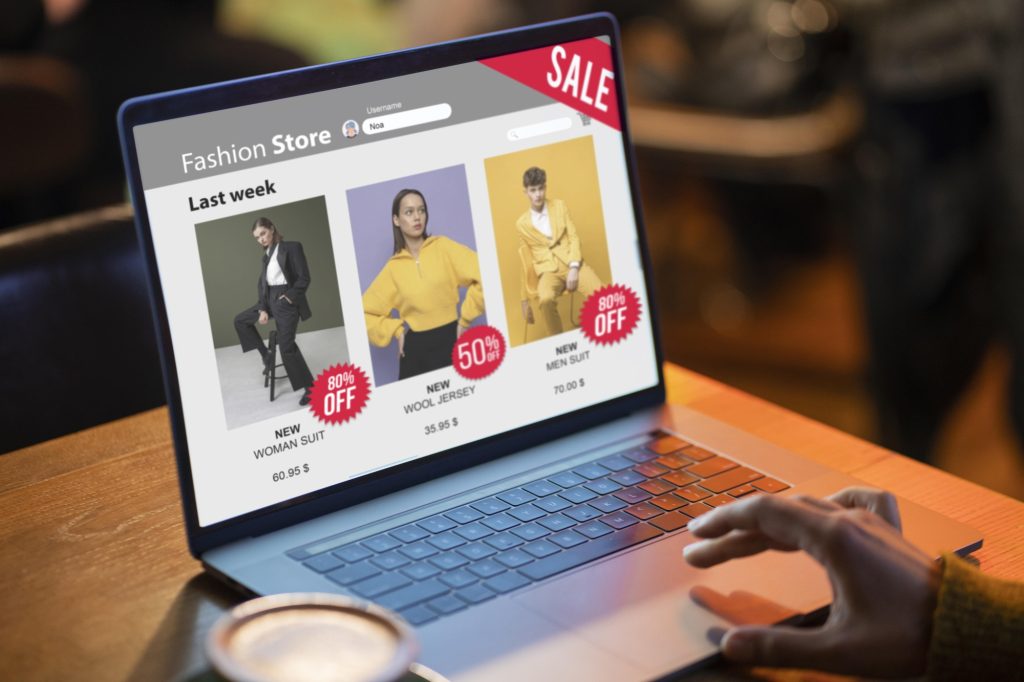
Creating your online webstore gives you full control over branding and customization, allowing you to design a unique shopping experience. However, it requires more time and effort compared to using a marketplace, especially when considering factors like pricing, functionality and scalability.
Pros
- Brand Control
You have full control over your brand’s presentation, messaging and customer experience. This enables you to create a distinct identity that resonates with your target audience.
- Direct Customer Relationships
Running your website allows you to engage directly with customers and collect valuable data. This fosters long-term relationships without any third-party limitations.
- Flexibility
You have the freedom to create and implement your own marketing strategies and promotions. This flexibility empowers you to develop sales tactics that effectively boost business growth.
Cons
- Initial Investment
Building and maintaining your own eCommerce website requires a substantial upfront investment in development, design and infrastructure.
- Technical Expertise
Running your website involves technical tasks like hosting, security, and maintenance, which may require specialized skills or outsourcing to experts.
- Marketing and Traffic
Unlike marketplaces that provide built-in traffic, attracting visitors to your website demands strong marketing efforts, SEO optimization, and potentially paid ads.
Compare Marketplaces, Live Streaming, Webstore
| Feature | Marketplaces | Live Streaming | Webstore |
|---|---|---|---|
| Customer Base | Large, built-in audience | Real-time engaged viewers | Higher setup and maintenance costs |
| Brand Control | Limited | High, but dependent on platform rules | Full control over branding |
| Costs | Listing and transaction fees | Equipment, platform fees, marketing | Higher setup and maintenance costs |
| Customization | Limited to platform options | Limited to stream content | Unlimited customization and design |
| Marketing | Easy access to traffic | Instant engagement, but needs effort | Requires SEO, ads, and traffic-building efforts |
In short, choose a marketplace for easy customer access, live streaming for real-time engagement, or a webstore for full control. Consider whether your business needs to pick the best option. An all-in-one eCommerce solution is crucial for managing orders, simplifying logistics and maintaining smooth operations.
With SiteGiant Marketplace Sync, you can:

- Sync and fulfill all your orders from multiple marketplaces in one platform.
- Manage your marketplaces’ product listings all within one platform.
- Keep track and synchronize all your inventory across multiple marketplaces in real time to prevent overselling.
Unlock your eCommerce success with SiteGiant today!
Image Credits and References: Freepik