
In today’s fast-paced digital world, eCommerce has become a popular avenue for those to start a side business or earn extra income. According to data from TMO Group 2025, the Philippines boasts a 57.0% eCommerce penetration rate among its 86.98 million internet users.
With so many marketplaces available in Philippines, choosing the right one can feel overwhelming. To help you make an informed decision, we’ve broken down the Top 5 eCommerce platforms in the Philippines:
We’ll break down the strategies and key features of each platform to help you find the best fit for your business. Whether you’re a seasoned seller or just starting out, this comparison will give you the insight you need to succeed.
1. Shopee Philippines

Launched in February 2015, Shopee has rapidly evolved from a C2C marketplace to a hybrid B2C model. It offers a Seller Education Hub to help sellers learn how to effectively utilize various tools to boost their sales. Additionally, Shopee consistently ranks as the leading eCommerce marketplace in Southeast Asia based on monthly visits.
Key features:
- Multiple logistics partners: Shopee works with over 70 courier services to ensure reliable delivery across Southeast Asia.
- Shopee Guarantee: A payment security service that protects both buyers and sellers, ensuring safe transactions.
- Shopee Prizes
Fee: Commission Fee, Transaction Fee and Service Fee.
Top sales product categories: Fashion, Food and Electronics.
2. Lazada Philippines

Founded in March 2012, Lazada is a versatile marketplace that supports C2C, B2C, cross-border sellers, and flagship brand sellers. In 2016, Lazada became the regional flagship of the renowned Alibaba Group.
Key features:
- Comprehensive logistic and fulfillment service: Lazada offers its own in-house logistic program, providing efficient delivery and fulfillment support to sellers.
- LazMall: Southeast Asia’ biggest virtual mall connecting shoppers to over 32, 000 leading international and local brands.
- Lazada University: An education platform that provides sellers with courses and tutorials using tools to enhance their business.
Fee: Commission Fee and Payment Fee.
Top sales product categories: Fashion, Health & Beauty and Home & Living.
3. Tiktok Shop Philippines
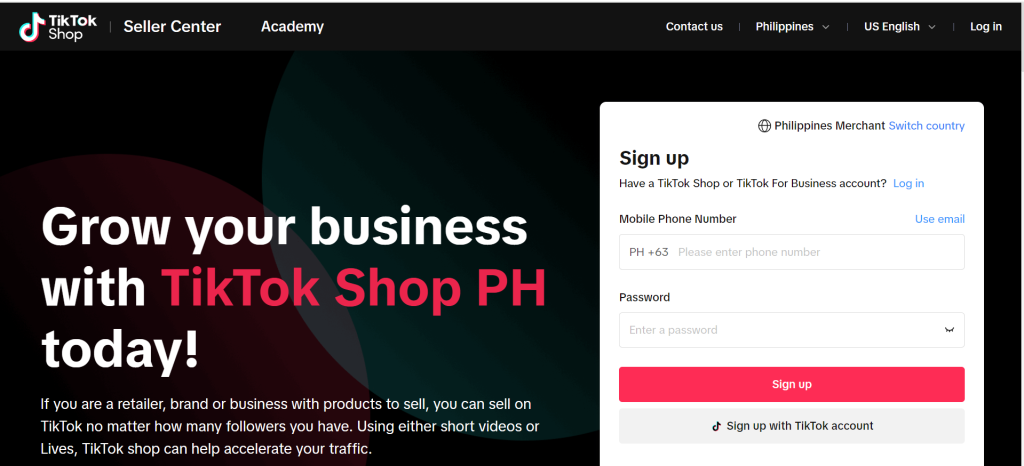
Launched in September 2023, TikTok Shop is an eCommerce feature integrated within the popular social media platform TikTok. This rapidly growing marketplace in the Philippines is gaining significant traction, particularly among younger consumers.
Key features:
- Young audience appeal: Sellers can attract a youthful demographic by offering trendy and viral products.
- Short video and livestreams: Seller can utilize short-form video content and livestreams to promote their products.
- Tren-driven product discovery: TikTok’s algorithm boots product visibility, allowing items to go viral when sellers capitalize on current trends.
Fee: Commission Fee and Shipping Fee.
Top sales product categories: Beauty & Personal Care, Home Supplies and Womenswear & Underwear.
4. Facebook Marketplace

Facebook is not only a leading social media platform but has also been a significant player in eCommerce for many years. Founded in 2007, Facebook Marketplace has evolved from a simple listing feature into a key component of the eCommerce landscape. Users can create posts or utilize live-streaming to easily sell their products.
Key features:
- Second-hand product: Facebook Marketplace is well-known for facilitating the sale of used and second-hand items.
- Post selling: Users can create simple product posts to sell items to their local community or reach bargain hunters in group chats.
- Live-streaming: Sellers able to use Facebook’s live-streaming feature to engage with buyers.
Fee: Chargeback Fee and Meta’s processing Fee
Top sales product categories: Home Supplies, Health & Beauty and Second-Hand Items.
5. Temu Philippines
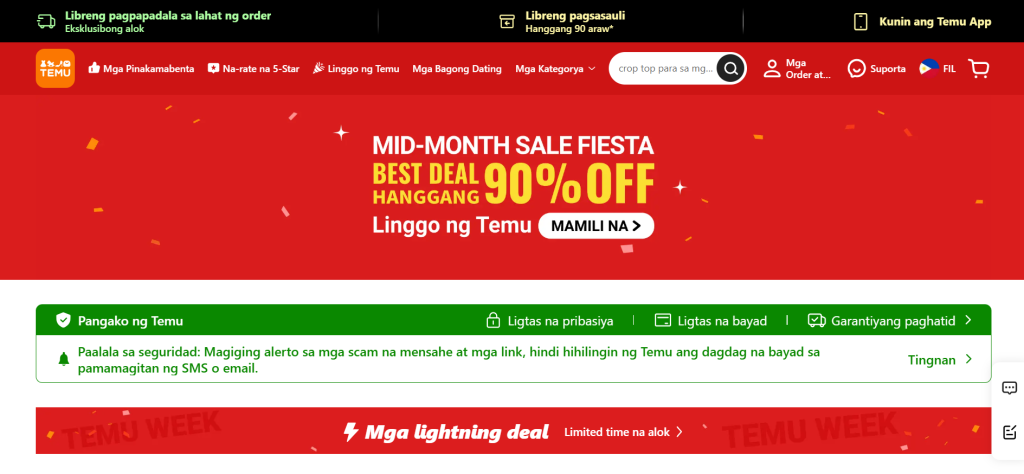
Launched in 2022 and based in Boston, Massachusetts. Temu is a rapidly growing marketplace that connects China-based directly to customers. By eliminating intermediaries, Temu enables sellers to offer products at significantly lower prices giving them a competitive edge while reducing operational cost and marketing.
Key features:
- Lowest prices: Temu focuses on offering lower prices compared to other multiple marketplace.
- More rewards: They will offer users who refer to new users through affiliate code, social media, and gamification.
Fee: (N/A)
Top sales Product categories: Fashion and Home Supplies
To establish a successful eCommerce business in the Philippines, several key factors must be considered: the population and demographics, economic factors, local challenges, logistics infrastructure, popular product categories and choosing the right marketplace.
No idea which marketplace to choose?
Just sign up on all the marketplace and let SiteGiant ERP handle the rest!
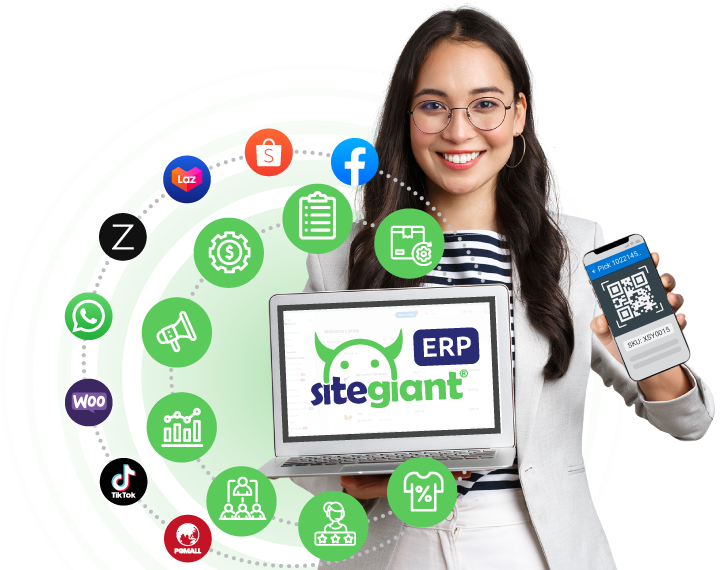
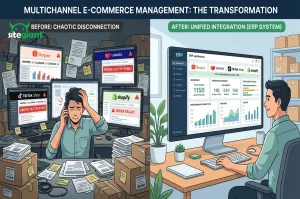
- Seamless Multi-Channel Management: Easily manage products across multiple platforms without logging into each marketplace.
- Bulk Copy Product Listing: Simple and easy way to sync product listings to multiple channels.
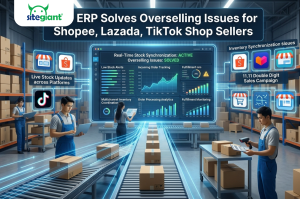
- Real-Time Inventory Syncing: Synchronizes inventory data across all marketplace channels to prevent overselling issues.
- And so much more.
Start your eCommerce Business with SiteGiant now!
Image Credits and References: Shopee, Lazada, TikTok Shop, Facebook Marketplace and Temu.