

As technology continues to evolve, many sellers are choosing to embark on a multichannel selling journey for their eCommerce businesses. Often referred to as multichannel selling, omnichannel retailing or a mix of online and offline strategies.
With the booming development of the eCommerce market, multichannel selling has become an essential marketing strategy for brands. Why? This is because not all customers purchase products or services through retail stores; they may use multiple sales channels.
Expanding to additional channels not only broadens your reach but also significantly boosts your chances of increasing sales. In this blog, we’ll unravel the concept of multichannel selling, explore its key benefits and share tips to help you kickstart your multichannel selling journey.
Key Benefits of Multichannel Selling
Challenges of Multichannel Selling
4 Tips to Start Multichannel Selling
What is Multichannel Selling?
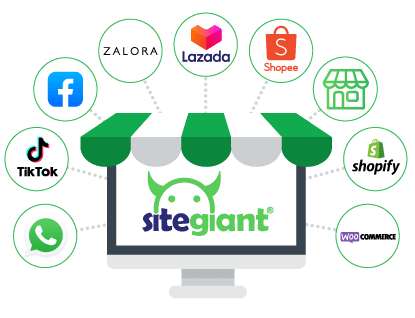
Multichannel selling refers to the practice of offering your products across multiple platforms. This could include retail stores, mobile apps, social media platforms, webstores and online marketplaces.
For example, a brand might sell on Shopee, Lazada and their own webstore. This strategy is designed to meet customers wherever they prefer to shop, providing a smooth and consistent shopping experience across all channels.
Key Benefits of Multichannel Selling
Why is multichannel selling essential for your business? It aligns seamlessly with the modern customer’s lifestyle. By adopting a multichannel selling strategy, you can effectively reach more customers and cater to their purchasing preferences across various platforms.
The key benefits of multichannel selling including:
1. Achieve Increased Sales and Revenue
Multichannel selling allows you to reach a larger customer base, which can lead to increased sales. For example, if your sales on a single channel are around PHP50,000 per month, adding another channel could potentially double your sales to PHP100,000 per month. By offering products across multiple channels, retailers can cater to the needs of different customers and significantly increase their chances of making a sale.
2. Convenience: Shop Anytime, Anywhere
One of the biggest benefits of selling on multiple channels is that buyers can consistently see your brand across different platforms. Multichannel selling can increase sales by giving customers more options to purchase a product at any time, anywhere. They can easily place orders through any channel that is most convenient and suits their preferences.
3. Expanding Brand Recognition
When selling on multiple channels, customers will consistently view your product when they search using the same keyphrase. By listing your products on a variety of platforms, you can easily showcase your brand to potential customers across different platforms. This is the power of multichannel selling—the more places your brand appears, the more people become familiar with it, subconsciously building trust and fostering a sense of connection with your brand.
4. Diversifies Risk
Imagine this: if you’re selling exclusively on Marketplace A and it suddenly bans your account, your revenue could take a significant hit. However, if you’re also active on Marketplace B and operate your own webstore, these additional channels can serve as a lifeline, ensuring your business continues to run smoothly despite any setbacks.
Challenges of Multichannel Selling
While multichannel selling offers numerous benefits, it also presents significant challenges. Here are the key obstacles sellers face when starting with multichannel selling:

1. Unified Platform for Seamless Multichannel Selling
To provide a seamless shopping experience, sellers must ensure consistency across all sales channels, including online marketplace, physical stores, social media and pop-up stores. This requires effective coordination and robust technology to maintain consistent branding, messaging and customer experience across all platforms.
2. Product Management
Managing products across multiple channels can be a complex task. Sellers often face the challenge of manually inputting product information into each platform, leading to potential errors and inefficiencies. Additionally, pricing products competitively and profitably across all channels can be time-consuming and requires careful analysis.
3. Inventory Management
Effective inventory management is crucial to maintaining accurate stock levels and allocating inventory efficiently. Without a solid strategy and technology, sellers risk stockouts or overstock, which can damage their reputation, lead to lost sales and waste valuable time.
4.Logistics and Fulfillment Processes
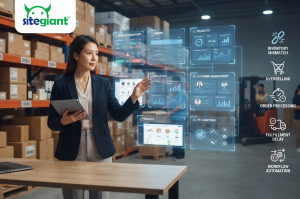
Order fulfillment can be complex and time-consuming, requiring extra manpower and increasing the risk of human error. Consolidating orders from various channels further complicates the process, leading to delays. Hence, streamlining the entire process, from order processing to shipment, is crucial for efficient operations and customer satisfaction.
4 Tips to Start Multichannel Selling
Want to become a multichannel seller but find it challenging to manage your busy life? You need to find help and software to streamline your daily workload. Over 10,000 sellers use SiteGiant’s ERP service for their eCommerce businesses—don’t you want to join them?

With SiteGiant, you can benefit from:
1. Smart Inventory Management
Smart inventory management is crucial for multichannel selling. By using SiteGiant ERP, you can easily track and manage your inventory across all sales channels. This ensures that you don’t oversell or undersell products, and that you can fulfill orders efficiently.
2. Effortlessly Define Your Customer
Understand who your target audience is, what their shopping habits are, and which channels they prefer to use. This will help you tailor your multichannel selling strategy to meet their needs effectively. By using the SiteGiant RFM Analysis, you can boost your customer loyalty and plan effective marketing to develop targeted marketing strategies to reach new customers and increase sales.
3. Streamline Your Product Management
SiteGiant ERP’s product management tools allow you to centralize product management on one dashboard. Easily manage multichannel product listings including edit product details such as descriptions and pricing for various sales channels, with automatic syncing across all platforms.
4. Marketing Strategy with AI
In today’s digital age, AI has revolutionized the way companies approach marketing strategy. By leveraging AI-powered tools, businesses can automate various tasks, gain valuable insights and make data-driven decisions to drive growth and success. By leveraging AI, you can stand up from your competitors.
Start your MultiChannel eCommerce Business with SiteGiant Today!
SiteGiant ERP is a comprehensive 6-in-1 Omnichannel eCommerce Platform, designed to streamline online selling across various channels. It offers a range of powerful features, including product synchronization across multichannel marketplaces, webstore building tools order management features and many more. With SiteGiant, you can streamline your multichannels selling daily workloads and enhance your marketing efforts in the future.
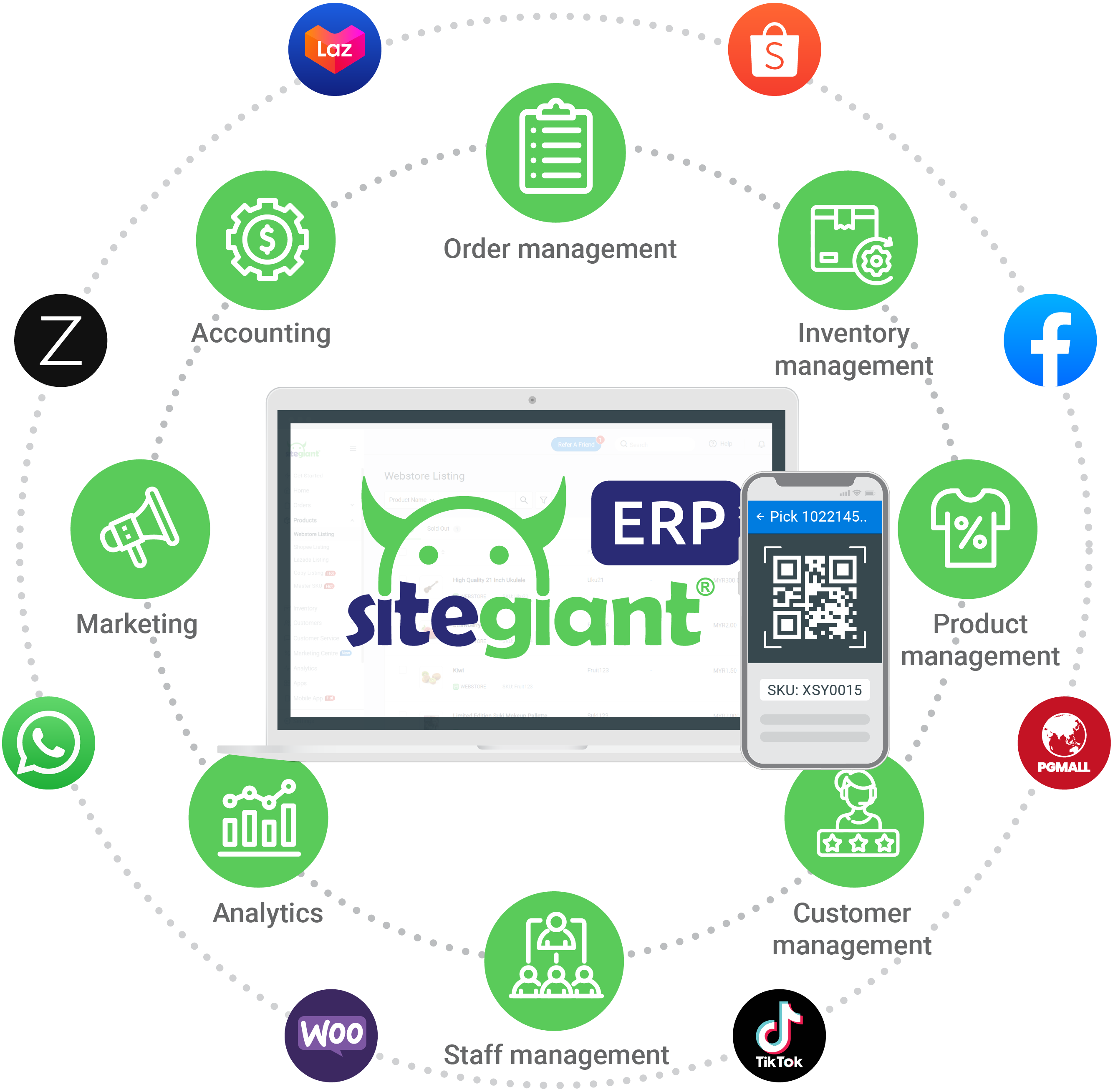
Image Credits and References: Freepik